SquareZix Digital Marketing

How UX and UI Design Improve SEO Rankings and Website Traffic

In today’s digital landscape, having a well-designed website is crucial for businesses looking to improve their online presence. While many companies focus solely on keywords and backlinks to enhance their search engine rankings, user experience (UX) and user interface (UI) design play an equally vital role in driving traffic and improving SEO performance. A seamless and intuitive design not only enhances user satisfaction but also signals to search engines like Google that your website provides value to visitors.

In this article, we will explore how UX and UI design contribute to better SEO rankings and website traffic, along with best practices to implement on your website.

Understanding UX and UI in Website Design

Before diving into the impact of UX and UI on SEO, let’s define these two essential aspects of website design:

  • User Experience (UX): UX refers to how users interact with a website, ensuring ease of navigation, quick access to information, and an overall smooth experience.
  • User Interface (UI): UI focuses on the visual and interactive elements of a website, including buttons, typography, color schemes, and page layouts.

A website that blends UX and UI effectively creates a positive user experience, keeping visitors engaged and encouraging them to take action.

Learn more about our Website Design Services!

How UX and UI Design Improve SEO Rankings

1. Faster Page Load Speed

Page speed is a critical factor in both SEO rankings and user experience. Websites that take too long to load often lead to higher bounce rates, which negatively impact search engine rankings. Good UX/UI design optimizes website speed by:

  • Compressing images and videos.
  • Minimizing HTTP requests.
  • Using efficient coding practices.
  • Implementing browser caching.

A well-optimized, fast-loading website encourages visitors to stay longer, reducing bounce rates and improving search engine performance.

2. Mobile-Friendly and Responsive Design

Google prioritizes mobile-first indexing, meaning websites optimized for mobile devices rank higher in search results. UX and UI designers ensure a seamless mobile experience by:

  • Using a responsive design.
  • Making buttons and links easily clickable.
  • Reducing intrusive pop-ups that may negatively impact usability.

A mobile-friendly website enhances accessibility, which translates to higher engagement and improved SEO rankings.

3. Intuitive Navigation and Site Structure

A cluttered and confusing website discourages visitors from exploring more pages, leading to lower engagement rates. An optimized UX/UI design helps by:

  • Organizing content into clear categories.
  • Using easy-to-understand menus and navigation bars.
  • Adding internal links to guide users through relevant pages.

Search engines value websites that provide a clear and organized user journey, rewarding them with higher rankings.

4. Enhanced User Engagement and Reduced Bounce Rates

SEO success depends heavily on user behavior metrics like dwell time, bounce rates, and session duration. If visitors leave your website quickly, search engines interpret it as a sign of poor user experience. Good UX/UI design ensures:

  • Engaging visuals and interactive elements.
  • Readable fonts and well-spaced text.
  • A logical content flow that keeps users engaged.

The more time users spend on your site, the better your SEO performance will be.

5. Improved Accessibility and Usability

Accessibility is an essential component of UX/UI design. Websites that are accessible to all users, including those with disabilities, perform better in search rankings. Implementing:

  • Alternative text (alt-text) for images.
  • Keyboard-friendly navigation.
  • High-contrast color schemes for readability.

Not only does this improve usability, but it also meets Google’s web accessibility guidelines, leading to better rankings.

6. Higher Conversion Rates

A well-designed website doesn’t just attract traffic; it converts visitors into customers. A strategic UI layout with clear CTAs (Call-to-Action) encourages users to engage with the content, subscribe, or make a purchase. Google considers conversions as an indicator of user satisfaction, indirectly affecting SEO rankings.

Best UX/UI Practices for Better SEO and Website Traffic

Now that we understand how UX and UI impact SEO, let’s explore best practices to optimize your website design:

1. Optimize for Speed and Performance

  • Use a Content Delivery Network (CDN) to access from anywhere around the world.
  • Optimize images without compromising quality.
  • Minimize redirects and broken links.

2. Implement a Clear and Simple Navigation

  • Use breadcrumbs to help users track their location.
  • Ensure a straightforward site structure with minimal clicks.
  • Add a search function for quick access to information.

3. Create Engaging and Readable Content

  • Use bullet points and headings to break down information.
  • Ensure the text is easily readable.
  • Add multimedia elements like videos and infographics to enhance engagement.

4. Mobile Optimization

  • Check your website on different devices.
  • Keep forms and buttons user-friendly on touchscreens.
  • Ensure pop-ups do not interfere with mobile usability.

5. Enhance Trust and Security

  • Use HTTPS for secure browsing.
  • Display trust badges and customer testimonials.
  • Ensure GDPR compliance for data privacy.

How UX/UI Benefits Other Digital Marketing Strategies

The impact of UX and UI design is not limited to SEO rankings. It also plays a crucial role in other digital marketing strategies such as PPC, branding, and social media management.

  • PPC Campaigns: A well-designed landing page can improve PPC ad performance by reducing bounce rates and increasing conversions. A PPC agency in Dubai ensures that ad-driven traffic lands on optimized pages with strong CTAs.
  • Branding: A professional and aesthetically pleasing website strengthens a brand’s credibility. Leading Dubai branding agencies focus on consistent color schemes, typography, and messaging to create a cohesive brand identity.
  • Social Media Engagement: Websites integrated with social media platforms provide a seamless experience for users transitioning between social channels and business websites. Social media management services help maintain consistency across different digital touchpoints.
  • SEO Strategy: An SEO-friendly UX/UI design helps websites gain better organic reach and user retention, making collaboration with an SEO company in Dubai crucial for long-term success.

Final Thoughts

A website’s UX and UI design significantly impact SEO rankings and website traffic. By improving page speed, mobile responsiveness, navigation, and user engagement, businesses can create an optimized website that ranks higher in search engine results. Investing in a well-structured UX/UI design and website development services not only benefits SEO but also enhances the overall digital marketing strategy, including PPC, branding, and social media engagement.

For expert assistance in optimizing your website’s UX/UI for better SEO results, Squarezix—a leading digital marketing agency in Dubai—is here to help!
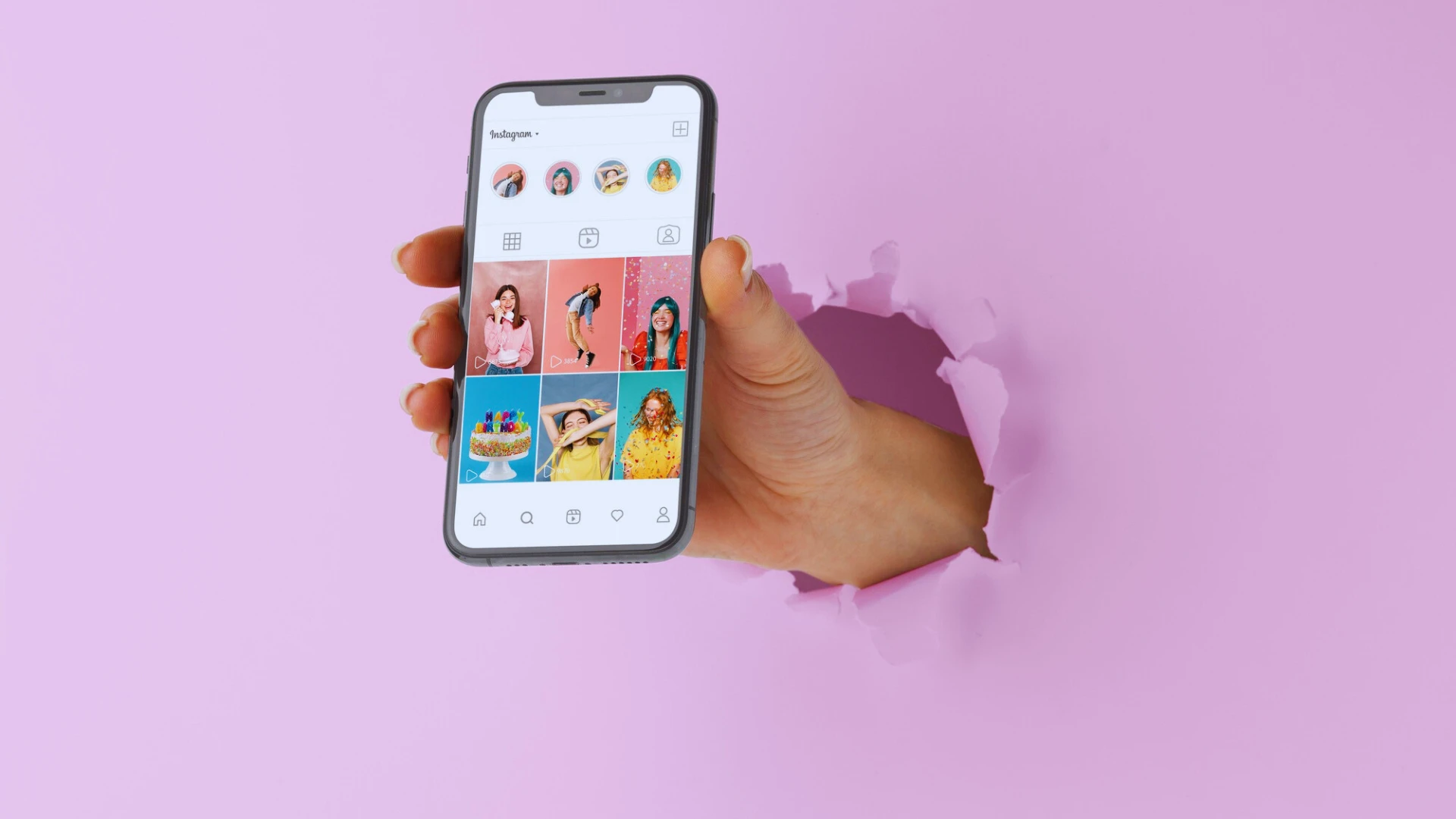
Tips for Increasing Engagement Rates on Instagram Stories and Reels

In today’s fast-paced digital landscape, Instagram Stories and Reels have become powerful tools for brands to engage with their audience. With billions of users actively consuming short-form content daily, leveraging these features effectively can significantly boost your brand’s visibility, drive engagement, and build lasting relationships with customers. If you’re looking for ways to enhance your social media strategy, here are some expert tips to maximize engagement on Instagram Stories and Reels.

1. Create High-Quality and Visually Appealing Content

First impressions matter, and with Instagram’s visual nature, high-quality content is essential. Use eye-catching colors, clear images, and compelling videos to grab attention. Investing in good lighting and professional editing tools can make your content stand out. Whether you are a best branding agency in Dubai or a small business, aesthetics play a crucial role in engagement.

2. Leverage Interactive Stickers and Features

Instagram Stories offer interactive features like polls, quizzes, questions, and emoji sliders. These tools encourage users to actively participate rather than just passively view your content. Some ways to use them include:

  • Conducting quick polls about industry trends or product preferences.
  • Using the Q&A feature to host AMA (Ask Me Anything) sessions.
  • Adding countdown stickers to create anticipation for an upcoming event or launch.

3. Utilize Trending Music and Sounds

Reels thrive on trends. Incorporating popular music, audio clips, and challenges can increase the chances of your content appearing in the Explore feed. Instagram’s algorithm prioritizes Reels with trending sounds, making them more discoverable. Always stay updated with current trends and customize them to align with your brand’s message.

4. Incorporate Behind-the-Scenes Content

People love to see the human side of a brand. Sharing behind-the-scenes (BTS) content, such as a day in the office, how a product is made, or employee highlights, adds authenticity and strengthens the connection with your audience. This approach is especially beneficial for businesses offering social media marketing services, as it showcases expertise and transparency.

5. Post Consistently and at the Right Time

Consistency is key to maintaining an engaged audience. Posting regularly keeps your brand fresh in followers’ minds. Additionally, analyzing Instagram Insights helps determine the best times to post when your audience is most active. Typically, posting during lunch hours and evenings results in higher engagement rates.

6. Encourage User-Generated Content (UGC)

User-generated content builds trust and fosters a sense of community. Encourage your audience to share their experiences with your product or service by featuring them on your Stories and Reels. You can:

  • Create branded hashtags and ask customers to use them.
  • Run contests where users submit videos or photos using your products.
  • Feature customer testimonials to showcase satisfaction and credibility.

7. Use Strong Call-to-Actions (CTAs)

Engagement is not just about views; it’s about actions. A compelling CTA guides your audience on what to do next. Examples include:

  • “Swipe up to learn more” (for accounts with 10k+ followers).
  • “Tag a friend who needs to see this.”
  • “Comment your thoughts below!”
  • “Follow us for more insights.”

8. Collaborate with Influencers and Brand Partners

Influencer marketing continues to dominate social media, and Instagram Reels and Stories are excellent platforms for collaborations. Partnering with influencers or industry experts enhances credibility and expands your reach. Choose influencers who align with your brand values to ensure authenticity.

9. Optimize Your Captions and Hashtags

Captions provide context and enhance engagement when written strategically. Keep them concise yet compelling, and include engaging questions to spark comments. Hashtags increase discoverability, so use a mix of branded, trending, and niche-specific hashtags to reach a wider audience.

10. Monitor Performance and Adapt Your Strategy

Tracking your Instagram analytics is crucial for understanding what works and what doesn’t. Key metrics to monitor include:

  • Engagement Rate: Likes, comments, shares, and saves.
  • Reach and Impressions: The number of unique viewers.
  • Watch Time and Drop-off Rates: How long users watch before skipping.

Use these insights to tweak your strategy, refine your content, and continuously improve engagement.

Final Thoughts

Increasing engagement on Instagram Stories and Reels requires creativity, consistency, and an understanding of your audience. By leveraging interactive features, user-generated content, collaborations, and strategic posting, you can boost engagement and strengthen your brand’s online presence. Whether you are a best branding agency in Dubai or a growing business, these tactics can help you stand out in the competitive social media space.

For expert guidance on social media growth, Squarezix offers tailored strategies to help brands thrive online. If you’re looking for a digital marketing agency in Dubai to enhance your brand’s social presence, Squarezix is here to help!

The Power of Remarketing: How to Win Back Lost Customers with PPC

In the highly competitive digital marketplace, businesses are constantly looking for ways to re-engage potential customers who have shown interest in their products or services but haven’t completed a conversion. This is where remarketing comes in—a powerful PPC marketing agency strategy that allows businesses to target and win back lost customers using paid advertising. Remarketing ensures that your brand stays top-of-mind, giving you another chance to convert users who have already interacted with your website or ads.

What is Remarketing in PPC?

Remarketing is a digital advertising technique that targets users who have previously visited your website, engaged with your content, or interacted with your brand in some way. Using search engine advertising and display ads, remarketing allows businesses to serve highly relevant ads to these potential customers as they browse other websites, use mobile apps, or scroll through social media.

For instance, if a visitor browses your website, looks at a product or service but does not make a purchase or inquiry, remarketing ads will remind them of what they left behind, encouraging them to return and complete the desired action.

Why Remarketing is Essential for Business Growth

Remarketing is not just about re-engaging lost customers—it’s about maximizing your marketing investment and improving conversion rates. Here’s why it’s crucial for businesses:

1. Increases Conversion Rates

People rarely make a purchase or inquiry the first time they visit a website. Remarketing provides gentle reminders that push them further down the sales funnel.

2. Strengthens Brand Recall

Consistent exposure to your brand helps build familiarity and trust. Even if a user doesn’t convert immediately, they are more likely to consider your business when they are ready to make a decision.

3. Enhances Ad Relevance

Because remarketing targets users who have already shown interest, the ads are more relevant and personalized, leading to better engagement and click-through rates.

4. Cost-Effective Advertising Strategy

Compared to general PPC campaigns, remarketing ads often have lower cost-per-click (CPC) and higher conversion rates, making them a cost-effective way to boost ROI.

5. Works Across Multiple Platforms

Remarketing isn’t limited to just Google Ads. You can leverage it across social media platforms like Facebook, Instagram, and LinkedIn to maintain engagement with your target audience.

Types of Remarketing Strategies

There are several ways to implement remarketing, each designed to target users at different stages of their journey. Here are some key types of remarketing strategies:

1. Standard Remarketing

Displays ads to past visitors as they browse other websites that are part of the Google Display Network (GDN) or social media platforms.

2. Dynamic Remarketing

Uses personalized ads that showcase the exact products or services a user viewed on your website. This is particularly useful for e-commerce businesses.

3. Search Remarketing (RLSA – Remarketing Lists for Search Ads)

Targets past visitors with customized ads when they perform searches related to your business on Google.

4. Social Media Remarketing

Shows targeted ads on platforms like Facebook, Instagram, and LinkedIn to users who have previously engaged with your website or content.

5. Email List Remarketing

Targets users based on an email list, allowing businesses to serve ads to specific customers who have previously interacted with the brand.

How to Create an Effective Remarketing Campaign

Implementing a successful remarketing campaign requires strategic planning. Here’s how to do it effectively:

1. Segment Your Audience

Not all visitors are the same. Divide them into different segments based on their behavior, such as:

  • Users who visited the homepage but took no action
  • Users who viewed a product/service page
  • Users who abandoned their cart or form submission
  • Previous customers who haven’t returned in a while

2. Create Engaging Ad Copy & Visuals

Your remarketing ads should have compelling headlines, eye-catching visuals, and clear CTAs. Highlight what makes your business stand out, such as special offers, limited-time discounts, or unique services.

3. Optimize Landing Pages

Driving users back to your website is only half the battle. Ensure that your landing pages are optimized for conversion with website design elements like fast load times, mobile responsiveness, and clear navigation.

4. Use Frequency Capping

Avoid overwhelming users with excessive ads by setting a frequency cap. Showing too many ads can lead to ad fatigue and a negative brand perception.

5. Leverage A/B Testing

Test different versions of your ads, including variations in copy, images, and CTAs, to identify what resonates best with your audience.

6. Monitor & Optimize Performance

Regularly review key metrics such as click-through rates (CTR), conversion rates, and cost-per-acquisition (CPA) to refine your remarketing strategy.

Why Work with a PPC Marketing Agency?

Running a successful remarketing campaign requires expertise in audience segmentation, ad copywriting, and campaign optimization. Partnering with a marketing agency ensures that your ads reach the right audience at the right time, maximizing your return on investment.

Additionally, a digital marketing agency can integrate remarketing with other online strategies such as SEO, social media, and email marketing to create a comprehensive marketing funnel.

Conclusion

Remarketing is a powerful tool that enables businesses to re-engage potential customers and drive higher conversions. By strategically targeting users who have already shown interest, businesses can increase brand recall, improve conversion rates, and maximize their advertising budget.

If you’re looking to implement an effective remarketing strategy, Squarezix can help. As a leading digital marketing agency in Dubai, we specialize in PPC marketing agency services, search engine advertising, and website design to ensure your campaigns deliver the best results. Contact us today to start winning back your lost customers!

Why Landing Page Optimization is Critical for PPC Success

Pay-Per-Click (PPC) advertising is one of the most effective ways to drive targeted traffic to your website. However, simply running a successful ad campaign is not enough. The real success of PPC lies in how well your landing page converts visitors into customers. Without an optimized landing page, even the most well-structured PPC campaigns can fail to generate the desired results. At Squarezix, a leading digital marketing agency in Dubai, we understand the critical role of landing pages in maximizing PPC success.

The Role of Landing Pages in PPC Success

A landing page is the first page a user sees after clicking on an ad. Unlike a standard website page, a landing page is specifically designed to encourage visitors to take a desired action, whether it’s making a purchase, signing up for a newsletter, or filling out a contact form. If your landing page is not optimized, you risk wasting your ad budget and missing out on valuable conversions.

1. Improved Conversion Rates

A well-optimized landing page ensures that visitors who arrive from your pay per click advertising campaigns are met with clear, concise messaging that aligns with the ad they clicked on. A strong call-to-action (CTA), compelling content, and an intuitive layout can significantly improve conversion rates.

2. Lower Cost-Per-Click (CPC) and Higher Quality Score

Google Ads considers landing page experience when determining Quality Score. A higher Quality Score can lower your CPC and improve your ad placement. Ensuring that your landing page loads quickly, provides relevant content, and offers a seamless user experience can enhance your PPC campaign’s overall efficiency.

3. Enhanced User Experience

A poorly designed landing page with slow loading times, cluttered layouts, or irrelevant content can result in high bounce rates. Optimizing your landing page for fast loading speeds, mobile responsiveness, and easy navigation ensures a positive user experience, increasing the chances of conversions.

Key Elements of an Optimized Landing Page

1. Clear and Compelling Headline

Your headline should instantly capture the visitor’s attention and reinforce the promise made in your PPC ad. A strong, action-oriented headline sets the stage for a high-converting landing page.

2. Persuasive Call-to-Action (CTA)

A clear and strategically placed CTA guides users toward the next step. Whether it’s “Get a Free Quote,” “Sign Up Now,” or “Shop the Collection,” a well-designed CTA button improves conversion rates.

3. Mobile-Friendly Design

With a significant portion of PPC traffic coming from mobile devices, your landing page must be fully responsive. At Squarezix, recognized as the best website design company in Dubai, we create mobile-optimized landing pages that ensure a seamless experience across all devices.

4. Fast Loading Speed

A slow-loading landing page can drive visitors away before they even see your offer. Compressing images, minimizing unnecessary scripts, and using a reliable hosting provider can help improve page speed.

5. Relevant and Engaging Content

Your landing page content should align with your ad copy, offering concise yet persuasive information. Bullet points, testimonials, and trust signals (such as certifications and security badges) help build credibility and encourage conversions.

6. Conversion-Focused Forms

If your goal is to capture leads, your forms should be short and only ask for essential information. A lengthy form can discourage users from completing the desired action.

How Squarezix Can Help

At Squarezix, we specialize in designing high-converting landing pages tailored to your PPC campaigns. As a top PPC agency in Dubai, we ensure that your ad spend delivers maximum ROI by optimizing every aspect of your landing page.

Our Landing Page Optimization Services Include:

  • Custom landing page design and development
  • A/B testing for continuous performance improvement
  • Mobile and speed optimization
  • Conversion tracking and analytics

Conclusion

If you want to maximize the success of your pay per click advertising efforts, landing page optimization is non-negotiable. A well-optimized landing page enhances user experience, improves conversion rates, and reduces ad costs, ensuring you get the most out of your PPC campaigns.Are you ready to boost your PPC performance? Contact Squarezix, to get expert landing page optimization and PPC management services.

Why Custom Websites Offer Better Performance for High-Traffic Businesses

In today’s digital world, businesses experiencing high traffic volumes need websites that can handle massive user loads while delivering exceptional performance. While platforms like WordPress and Shopify offer convenience, they may not be the ideal choice for businesses that require robust scalability, speed, and security. This is where custom website development becomes essential. At Squarezix, a leading digital marketing agency in Dubai, we specialize in crafting high-performance custom websites tailored to meet the needs of enterprises, e-commerce businesses, and service providers.

The Limitations of Pre-Built Platforms

Many businesses start with off-the-shelf solutions like WordPress or Shopify due to their ease of use and pre-designed themes. However, as traffic grows, these platforms often struggle with performance issues. Here’s why:

  • Scalability Issues: Pre-built CMS platforms come with unnecessary code and plugins that can slow down website performance.
  • Limited Customization: Businesses often require unique features that may not be available within a template-based system.
  • Security Concerns: Open-source platforms are more vulnerable to cyber threats due to widely known vulnerabilities.
  • Performance Bottlenecks: Plugins and third-party integrations can significantly affect website speed, leading to poor user experience and lower search rankings.

For high-traffic businesses, a custom website is a smarter investment that ensures optimal performance, security, and flexibility.

Benefits of Custom Website Development for High-Traffic Businesses

1. Optimized Speed and Performance

Custom websites are built with efficiency in mind. Unlike pre-built templates, which rely on multiple third-party plugins, custom development ensures that only necessary functionalities are included. This results in faster load times and better user experience, leading to lower bounce rates and higher conversions.

2. Scalability for Growing Traffic

A high-traffic website requires a strong infrastructure that can handle surges in visitors without crashing. Custom websites are designed with scalability in mind, allowing businesses to expand their operations seamlessly. At Squarezix, our development team ensures your website is built using the latest technologies that support increased traffic without compromising performance.

3. Enhanced Security Features

Security is a critical concern for businesses handling sensitive customer data. Custom websites provide:

  • Secure coding practices to prevent hacking attempts
  • Advanced encryption techniques to protect transactions and user data
  • Custom firewalls and security measures tailored to business needs

Unlike open-source platforms, which are more susceptible to security vulnerabilities, custom websites give you full control over your security infrastructure.

4. SEO-Focused Architecture

As a business, ranking high on Google is essential for online visibility. Custom websites allow for SEO-friendly architecture, including clean code, optimized images, and structured data implementation. At Squarezix, we integrate the best SEO services into your website development strategy, ensuring that your site ranks higher on search engines and drives organic traffic.

5. Seamless User Experience (UX/UI)

A high-traffic website should offer an engaging and smooth experience to users. With custom development, businesses can design intuitive interfaces, ensuring:

  • Mobile responsiveness
  • Faster navigation
  • Engaging visual elements

With a top website design company in Dubai, your website will be built with user experience in mind, leading to better engagement and conversions.

6. Tailored Integrations and Functionalities

Every business has unique needs, from payment gateways to ERP systems. With a custom website, you can seamlessly integrate your required tools without relying on third-party plugins that can slow down your site. Whether you need advanced booking systems, membership platforms, or AI chatbots, custom development allows full flexibility.

Custom Websites vs. Pre-Built Platforms: Which One is Right for You?

FeatureCustom WebsitesPre-Built Platforms
SpeedHighly optimizedSlower due to unnecessary plugins
ScalabilityEasily scalableLimited scalability
SecurityHigh-level securityMore vulnerable to cyberattacks
CustomizationFully customizableLimited by platform constraints
SEO OptimizationBuilt-in SEO structureDependent on plugins
CostHigher initial investmentLower upfront cost but higher long-term expenses

For businesses experiencing rapid growth, investing in a custom website provides long-term benefits that outweigh the initial costs.

How Squarezix Can Help

At Squarezix, we specialize in custom website development tailored to meet your specific business goals. As a top website design company in Dubai, we ensure that your website is not only visually appealing but also optimized for performance, scalability, and conversions. Our services include:

Ready to Build a High-Performance Website?

If you’re looking for a website development solution that can handle high traffic and provide exceptional performance, Squarezix is here to help. We offer comprehensive solutions to ensure your business thrives online.

Contact us today to discuss your website project and take the first step toward online success!

Why Branding is More Than Just a Logo: The Key Elements of a Strong Brand

Branding is often misunderstood as just a logo or a set of colors, but in reality, it encompasses much more. A strong brand is a powerful tool that builds trust, differentiates a business from competitors, and creates a lasting impression on customers. Whether you are a startup or an established company, investing in a comprehensive branding strategy is essential for long-term success. In this article, we will explore why branding in Dubai is more than just a logo and highlight the key elements that contribute to a strong brand identity.

The Misconception: Branding is Just a Logo

Many businesses assume that branding starts and ends with a visually appealing logo. While a logo is a crucial component of branding, it is only a small part of a much larger picture. Branding is the complete experience that customers associate with your business, including your values, messaging, tone, and interactions with customers. A well-developed brand goes beyond aesthetics and influences how people perceive and connect with your business.

Key Elements of a Strong Brand

  1. Brand Identity & Visual Elements

While branding is more than just a logo, a strong visual identity is essential for brand recognition. This includes:

  • Logo Design: A professional and memorable logo represents your brand’s personality.
  • Color Palette: Colors evoke emotions and help create a consistent look.
  • Typography: Fonts should align with your brand’s tone and style.
  • Imagery & Graphics: Consistent visuals enhance brand recall and engagement.

A well-designed visual identity helps customers recognize your brand across different platforms, from websites to social media marketing materials.

  1. Brand Messaging & Storytelling

Brand messaging is the voice of your brand. It includes:

  • Mission Statement: Defines the purpose of your business.
  • Tagline or Slogan: A short, catchy phrase that conveys your brand essence.
  • Brand Story: A compelling narrative that shares your journey and values.
  • Tone & Language: How your brand communicates with its audience.

Crafting a strong message ensures consistency in communication and helps establish an emotional connection with customers.

  1. Brand Personality & Values

A brand’s personality defines how it interacts with customers. It reflects:

  • Core Values: What your business stands for.
  • Customer Interaction Style: How your brand engages with people, whether through social media, email, or in-person experiences.
  • Businesses that stay true to their brand values and personality tend to build stronger customer relationships.
  1. Online Presence & Digital Marketing

A brand’s presence in the digital world is crucial for success. Working with a social media marketing agency in Dubai can help businesses maintain a strong online identity through:

  • Social Media Strategy: Engaging content across social platforms builds brand awareness.
  • Email Marketing: Helps maintain customer relationships and retention.
  • PPC Advertising: A PPC agency in Dubai can create targeted campaigns to attract potential customers.

A strong digital presence ensures your brand stays relevant and visible in a competitive market.

  1. Customer Experience & Brand Reputation

Branding is also about how customers perceive and interact with your business. Excellent customer experience includes:

  • User-friendly website navigation
  • Responsive customer support
  • Consistent engagement on social media
  • Personalized marketing approaches

A satisfied customer is more likely to become a loyal advocate, helping to strengthen brand credibility.

  1. Consistency Across All Platforms

Consistency in branding helps in reinforcing brand identity. Every aspect of your branding, from visuals to messaging, should be uniform across all marketing channels, including:

  • Social media platforms
  • Website and blog content
  • Email campaigns
  • Print and digital advertisements

A branding agency in Dubai can help businesses ensure consistency across multiple touchpoints, maintaining a cohesive brand image.

The Role of a Branding Agency in Building a Strong Brand

Building a strong brand requires expertise and strategic planning. Partnering with a branding agency in Dubai can provide the following benefits:

  • Brand Strategy Development: Crafting a unique brand identity tailored to your business.
  • Market Research: Understanding industry trends and customer preferences.
  • Content & Digital Marketing: Enhancing brand reach through social media, PPC, and SEO strategies.
  • Rebranding Support: Assisting businesses in refreshing their brand to stay relevant.

If you want your brand to leave a lasting impact, working with experts in branding, digital marketing, and advertising is a smart move.

Conclusion

Branding is more than just a logo—it’s a comprehensive strategy that shapes how customers perceive and interact with your business. From visual identity and messaging to digital presence and customer experience, every element plays a crucial role in building a strong brand. By investing in branding, businesses can establish trust, differentiate themselves, and create meaningful connections with their audience.

If you’re looking for expert guidance in branding, social media, website development, website design, PPC advertising, Squarezix is here to help. As a leading digital marketing agency in Dubai, we specialize in creating powerful brand identities, optimizing digital marketing strategies, and enhancing online presence. Contact us today to elevate your brand to the next level!

Why Mobile-Friendly Websites Are Crucial for SEO and User Experience

With the majority of users accessing websites via mobile devices, businesses must ensure their sites are optimized for mobile responsiveness. A well-designed mobile website not only enhances user experience but also plays a significant role in search engine rankings. Whether you are a business owner or a website development company in Dubai, understanding the importance of mobile optimization can give you a competitive edge.

The Rise of Mobile Usage in Web Browsing

Over the past decade, mobile browsing has surpassed desktop usage, with more than 60% of global web traffic coming from mobile devices. This shift in user behavior has forced businesses and website owners to prioritize mobile-friendly designs. Companies that fail to optimize their websites for mobile users risk losing a significant portion of potential customers due to poor user experience and lower search engine rankings.

How Mobile-Friendliness Impacts SEO

  1. Google’s Mobile-First Indexing

Google now uses mobile-first indexing, which means it primarily crawls and indexes the mobile version of a website instead of the desktop version. If your website isn’t mobile-friendly, Google may rank it lower in search results, making it harder for users to find your business online. A professional website design company in Dubai can ensure your site meets Google’s mobile-friendly standards, improving its visibility on search engines.

  1. Page Load Speed and SEO Rankings

Page speed is a crucial ranking factor, and mobile users expect fast-loading websites. Studies show that if a mobile site takes more than 3 seconds to load, users are likely to abandon it. Google considers page speed as a ranking factor, meaning slow-loading websites are penalized in search rankings. Optimizing images, leveraging browser caching, and using responsive web design can help improve load times.

  1. Improved User Engagement and Lower Bounce Rates

A mobile-friendly website provides a seamless user experience, encouraging visitors to stay longer and engage with the content. Websites that are difficult to navigate on mobile devices often experience high bounce rates, which negatively affect SEO rankings. An expert seo agency Dubai can analyze user behavior and optimize your site to ensure better engagement.

  1. Better Local SEO Performance

For businesses targeting local customers, having a mobile-friendly website is crucial. Mobile users frequently search for local businesses while on the go. A well-optimized mobile site improves your chances of appearing in local search results, increasing foot traffic and conversions.

Enhancing User Experience Through Mobile Optimization

  1. Responsive Design for Seamless Navigation

A responsive website adapts to different screen sizes, ensuring a consistent experience across devices. Users should be able to navigate the site easily, access menus without zooming in, and find information quickly. A website development company in Dubai can implement a responsive design that enhances usability and accessibility.

  1. Touch-Friendly Interface

Since mobile users interact with websites using their fingers rather than a mouse, buttons and links should be easily clickable. A poorly designed mobile site with small buttons or cluttered layouts can frustrate users, leading to high abandonment rates.

  1. Optimized Content for Mobile Screens

Mobile users prefer concise, easy-to-read content. Long paragraphs can be overwhelming on small screens, so it’s essential to break content into short sections, use bullet points, and highlight key information.

  1. Mobile-Friendly Forms and CTAs

If your website includes forms or call-to-action (CTA) buttons, they should be optimized for mobile users. Forms should have fewer fields, and CTA buttons should be large enough to tap easily.

The Role of a Website Development Company in Dubai in Mobile Optimization

For businesses looking to create a mobile-friendly website, partnering with a website development company in Dubai is a strategic move. These professionals understand the latest web design trends, SEO requirements, and user behavior, ensuring your website performs well across all devices.

Services Offered by a Website Design Company:

Responsive Web Design: Ensures your site adapts to different screen sizes.

Page Speed Optimization: Enhances loading speed for better SEO and user experience.

Mobile UX/UI Design: Creates an intuitive, user-friendly interface.

SEO Optimization: Implements mobile SEO strategies to improve rankings.

Performance Monitoring: Regularly analyzes and optimizes website performance.

Conclusion

With Google’s mobile-first indexing and increasing mobile usage, businesses must prioritize mobile optimization to stay ahead of the competition. Whether you’re a business owner or an SEO agency Dubai, investing in a responsive and mobile-optimized website can significantly enhance your digital presence.

If you’re looking for expert web development services, consult a professional digital marketing agency in Dubai to create a high-performing, mobile-friendly website that drives traffic and conversions.

Google Ads CPC Explained: Why Some Keywords Cost More Than Others

In digital advertising, Google Ads is the most powerful tool for any business in driving traffic and conversions. Among the concerns of every advertiser is the Cost Per Click, or how much one pays every time someone clicks on their ad. If you run campaigns yourself or with a PPC company in Dubai, you must have noticed how expensive some keywords tend to get. But why does that happen? In this article, we’ll break down key factors influencing Google Ads CPC and how you can optimize your budget for better performance.

1. Keyword Competition

One of the reasons some keywords are so expensive in terms of CPC is competition. In Google Ads, there is an auction type of bidding system among the advertisers for a keyword. When more and more businesses target the same keyword, the price increases automatically. High-demand keywords, such as “website design company in Dubai” or “luxury watches,” attract more bidders, leading to higher costs.

For example, if your business runs a Google Ads management agency, and you are targeting “Google Ads management services, you are going to get plenty of other agencies competing to rank for that same term and increase the CPC.

2. Keyword Intent And Commercial Value

Generally, the cost per click for high commercial intent keywords is higher. These are those kinds of keywords wherein users are more likely to make a purchase, request a quote, or engage in a service. For example, “buy iPhone 15 online” has a higher CPC compared to “iPhone 15 features” because the former depicts an intent to buy, while the latter is more informational.

A leading digital marketing agency attract quality leads through high-intent keywords. But for efficient cost management, a strategic blending of high and low CPC keywords should be done.

3. Industry and Niche

The thing is, some niches are just naturally more expensive than others. For example, finance, law, real estate, and healthcare are usually very expensive due to the high return on investment. Lawyers, mortgage brokers, and insurance firms can afford to pay higher CPCs because one conversion could mean hundreds or thousands of dollars.

If your business operates in a competitive industry, it’s important to work with a PPC company in Dubai that can help refine your bidding strategy and optimize your campaigns to reduce costs while maintaining efficiency.

4. Ad Quality Score

Google gives a Quality Score for your ad related to the relevancy of it, the CTR, and the experience given in the landing page. It lowers the Cost per Click and, inversely, raises if your Quality Score is low. Competitors behind you with budgets larger than yours fall behind provided that your ad and landing pages are of good quality.

In cases where your PPC agency writes advertisements with great ad copy and with a relevant landing page, it will have relatively lower CPC when compared to bidders whose advertisement isn’t really relevant. 

5. Geographic Targeting

Cost-per-click depends on a location basis: for example, targeting keywords such as Dubai and New York are costlier when compared to targeting any small city or rural areas. It may be attributed to the reasons of high competition in big metropolitan cities and their buying power as a consumer.

A specialized PPC Company in Dubai can help such companies that need to grow locally comprehend regional price variances to create cost-efficient campaigns targeted towards locals.

6. Seasonality and Trends

Some keywords are seasonal, which means that their demand goes up at a particular time of the year, hence increasing CPC. For instance, “Valentine’s Day gifts” or “Black Friday deals” see massive price increases during peak seasons. Global events or trends also influence the cost of keywords, especially in industries such as travel, fashion, and technology.

A digital marketing agency will be able to help you strategize in advance about how to make the most of seasonal fluctuations and optimize your bidding accordingly for peak times.

7. Device and Network Targeting

It also is dependent on whether the ad is to appear on desktop or mobile devices. Mobile searches frequently have different user intent, and in some industries, they can give a lower CPC. Also, Google Search Network ads generally cost more than Display Network ads since search ads target users with higher intent.

How to Reduce Your Google Ads CPC

Though high CPCs may prove to be a challenge, following are some tips to help you cut down the cost:

 Enhance Your Quality Score: Work on relevance in ad and CTR, plus landing page experience.

 Long-Tail Keywords: These shall be more specific and usually have less competition.

 Refine Your Targeting: Make sure you target highly relevant demographics and locations.

 Negative Keywords: Exclude very irrelevant searches to avoid wasted clicks.

A/B Test Your Ads – Always be testing different ad headlines, descriptions, and landing pages.

Understanding the reasons why some keywords are more expensive than others in Google Ads is essential in optimizing your campaigns. Competition, intent, industry, Quality Score, and location are just some of the reasons why CPC will vary. Businesses should team up with a reliable Google Ads agency like Squarezix, specializing in creating effective, result-oriented PPC campaigns that will ensure the highest possible ROI.

If you need expert PPC management, let Squarezix take you through the maze of Google Ads and provide a strategy that brings quality leads without breaking the bank. Call us today to get started!

The Evolution of eCommerce Payments: Navigating the Digital Payment Landscape

In the fast-paced world of eCommerce, seamless payment systems are critical to customer satisfaction and business growth. From the days of cash-on-delivery to today’s sophisticated digital wallets, eCommerce payments have evolved significantly, redefining how consumers and businesses interact.

The Rise of eCommerce Payments

As eCommerce platforms gained popularity in the early 2000s, payment methods adapted to meet the changing needs of online shoppers. Initially, payments relied heavily on credit and debit cards. However, the need for secure, fast, and convenient transactions spurred the innovation of digital payment systems.

Today, consumers have a plethora of payment options, including digital wallets, Buy Now Pay Later (BNPL) services, cryptocurrency, and even voice-activated payments. Each innovation is designed to enhance convenience, security, and inclusivity, ensuring every consumer has a way to participate in the digital economy.

Key Features of Modern eCommerce Payment Systems

  1. Security: With the rise in cyber threats, security is paramount. Features like encryption, tokenization, and two-factor authentication ensure that customer data remains protected.
  2. Convenience: From one-click payments to auto-fill options, convenience is a major selling point. The fewer steps a customer needs to complete a purchase, the higher the likelihood of conversion.
  3. Speed: Payment systems now offer instantaneous transactions, ensuring minimal waiting time for both customers and businesses.
  4. Global Reach: Payment platforms integrate multi-currency support, making it easier for businesses to cater to international markets.

Popular Payment Methods in eCommerce

  1. Credit and Debit Cards: Still the most widely used payment method globally, thanks to their familiarity and acceptance.
  2. Digital Wallets: PayPal, Apple Pay, Google Pay, and others provide quick, secure, and seamless transactions.
  3. Bank Transfers: Although traditional, they remain a secure option, especially for high-value transactions.
  4. Cryptocurrency: While still niche, cryptocurrencies like Bitcoin and Ethereum are gaining traction for their decentralization and lower transaction fees.
  5. Buy Now Pay Later (BNPL): Platforms like Klarna and Afterpay allow customers to make purchases and pay in installments, boosting affordability and conversion rates.

Challenges in eCommerce Payments

Despite advancements, businesses face several challenges:

  • Fraud and Chargebacks: Fraudulent activities and chargebacks can lead to significant financial losses.
  • Integration Issues: Ensuring payment gateways integrate seamlessly with eCommerce platforms can be complex.
  • Customer Trust: Gaining consumer trust in new and unfamiliar payment methods requires clear communication and robust security measures.
  • High Transaction Fees: Some payment gateways charge high fees, impacting profit margins.

Best Practices for eCommerce Businesses

To optimize payment systems, eCommerce businesses should:

  1. Offer Multiple Payment Options: Cater to diverse customer preferences by integrating a variety of payment methods.
  2. Prioritize Security: Invest in advanced security protocols to protect customer data and build trust.
  3. Optimize Mobile Payments: With the rise of mobile commerce, ensure payment systems are mobile-friendly.
  4. Monitor and Analyze: Use analytics to track payment trends and optimize the customer experience.
The Future of eCommerce Payments

As technology continues to evolve, the future of eCommerce payments looks promising. Artificial Intelligence (AI) and Machine Learning (ML) are set to revolutionize fraud detection and customer personalization. Additionally, blockchain technology may pave the way for decentralized, ultra-secure payment systems.

Voice-activated payments and biometric authentication are also on the horizon, promising to make transactions even more seamless. Businesses that stay ahead of these trends will not only enhance customer experiences but also solidify their competitive edge.

eCommerce payments are the lifeblood of online businesses. As consumer expectations evolve, so too must payment systems. By prioritizing security, convenience, and innovation, eCommerce platforms can ensure a smooth and satisfying shopping experience, driving loyalty and growth in an increasingly competitive market.

Top Digital Marketing Trends for 2025 That Businesses Can’t Ignore

The digital marketing landscape is constantly evolving, and staying ahead of the curve is essential for businesses to remain competitive. As we step into 2025, here are the top digital marketing trends you can’t afford to ignore.

1. AI-Powered Marketing

Artificial Intelligence (AI) continues to revolutionize how businesses interact with their customers. From chatbots to predictive analytics, AI is enhancing customer experiences and optimizing marketing strategies.

Key Applications:

  • AI-powered tools like ChatGPT for personalized content creation.
  • Predictive analytics for identifying customer behavior and improving ad targeting.
  • Chatbots for real-time customer support.
  • 2. Voice Search Optimization

    With the proliferation of voice assistants like Alexa, Siri, and Google Assistant, voice search is becoming a dominant mode of online interaction. Optimizing for voice search can give businesses an edge in local and conversational search queries.

    Actionable Steps:

  • Focus on long-tail keywords and natural language queries.
  • Optimize content for featured snippets.
  • Enhance local SEO to capture “near me” searches.
  • 3. The Rise of Immersive Experiences

    Technologies like Augmented Reality (AR) and Virtual Reality (VR) are transforming how businesses engage with their audience. Immersive experiences enable brands to create memorable interactions.

    Examples:

  • AR try-ons for e-commerce (e.g., virtual fitting rooms).
  • VR-based real estate tours.
  • Interactive ads using AR filters on platforms like Instagram and Snapchat.
  • 4. Privacy-Centric Marketing

    With increasing regulations such as GDPR and CCPA and growing consumer awareness about data privacy, businesses must prioritize ethical data practices.

    What to Do:

  • Use first-party data for personalized marketing.
  • Implement cookie-less tracking solutions.
  • Be transparent about data usage to build trust.
  • 5. Short-Form Video Dominance

    Platforms like TikTok, Instagram Reels, and YouTube Shorts have solidified the popularity of short-form video content. Brands are leveraging this trend to engage audiences quickly and effectively.

    Tips for Success:

  • Create engaging, bite-sized videos that align with your brand story.
  • Use trending hashtags and challenges for organic reach.
  • Leverage UGC (User-Generated Content) for authenticity.
  • 6. Omnichannel Marketing

    Consumers expect seamless experiences across platforms. An integrated omnichannel strategy ensures your brand is visible and consistent across multiple touchpoints.

    How to Execute:

  • Sync your marketing efforts across social media, email, website, and offline channels.
  • Use tools like HubSpot or Salesforce for a unified customer journey.
  • Track customer interactions across platforms for better personalization.
  • 7. Sustainability and Purpose-Driven Marketing

    Consumers are increasingly favoring brands that align with their values. Sustainability and corporate social responsibility (CSR) campaigns are becoming essential for brand loyalty.

    Ideas for Implementation:

  • Highlight eco-friendly practices and initiatives.
  • Partner with social causes that resonate with your target audience.
  • Use storytelling to convey your brand’s purpose.
  • 8. Interactive and Gamified Content

    Interactive content boosts engagement by making marketing a two-way conversation. Gamification takes it further by rewarding users for participation.

    Examples:

  • Quizzes, polls, and surveys.
  • Reward-based loyalty programs.
  • AR-based games tied to brand promotions.
  • 9. The Continued Growth of Influencer Marketing

    Influencer marketing is evolving, with more focus on micro and nano-influencers who deliver higher engagement rates.

    Best Practices:

  • Collaborate with influencers in niche markets for better targeting.
  • Focus on authentic partnerships rather than one-off promotions.
  • Track ROI using affiliate links or promo codes.
  • 10. Programmatic Advertising and Automation

    Automated ad buying is streamlining the way businesses reach their target audiences. Programmatic advertising ensures precise targeting while reducing costs.

    Advantages:

  • Real-time optimization of ad campaigns.
  • Improved targeting with AI and machine learning.
  • Enhanced ROI through data-driven decisions.
  • 2025 is set to be a transformative year for digital marketing, with AI, privacy, and immersive technologies leading the way. Businesses that embrace these trends and adapt their strategies will not only stay relevant but also thrive in a competitive market.

    At SquareZix, we specialize in crafting cutting-edge digital marketing strategies to help businesses leverage the latest trends. Contact us today to future-proof your marketing efforts for 2025.