

SquareZix Digital Marketing

Why Custom Websites Offer Better Performance for High-Traffic Businesses

In today’s digital world, businesses experiencing high traffic volumes need websites that can handle massive user loads while delivering exceptional performance. While platforms like WordPress and Shopify offer convenience, they may not be the ideal choice for businesses that require robust scalability, speed, and security. This is where custom website development becomes essential. At Squarezix, a leading digital marketing agency in Dubai, we specialize in crafting high-performance custom websites tailored to meet the needs of enterprises, e-commerce businesses, and service providers.

The Limitations of Pre-Built Platforms

Many businesses start with off-the-shelf solutions like WordPress or Shopify due to their ease of use and pre-designed themes. However, as traffic grows, these platforms often struggle with performance issues. Here’s why:

  • Scalability Issues: Pre-built CMS platforms come with unnecessary code and plugins that can slow down website performance.
  • Limited Customization: Businesses often require unique features that may not be available within a template-based system.
  • Security Concerns: Open-source platforms are more vulnerable to cyber threats due to widely known vulnerabilities.
  • Performance Bottlenecks: Plugins and third-party integrations can significantly affect website speed, leading to poor user experience and lower search rankings.

For high-traffic businesses, a custom website is a smarter investment that ensures optimal performance, security, and flexibility.

Benefits of Custom Website Development for High-Traffic Businesses

1. Optimized Speed and Performance

Custom websites are built with efficiency in mind. Unlike pre-built templates, which rely on multiple third-party plugins, custom development ensures that only necessary functionalities are included. This results in faster load times and better user experience, leading to lower bounce rates and higher conversions.

2. Scalability for Growing Traffic

A high-traffic website requires a strong infrastructure that can handle surges in visitors without crashing. Custom websites are designed with scalability in mind, allowing businesses to expand their operations seamlessly. At Squarezix, our development team ensures your website is built using the latest technologies that support increased traffic without compromising performance.

3. Enhanced Security Features

Security is a critical concern for businesses handling sensitive customer data. Custom websites provide:

  • Secure coding practices to prevent hacking attempts
  • Advanced encryption techniques to protect transactions and user data
  • Custom firewalls and security measures tailored to business needs

Unlike open-source platforms, which are more susceptible to security vulnerabilities, custom websites give you full control over your security infrastructure.

4. SEO-Focused Architecture

As a business, ranking high on Google is essential for online visibility. Custom websites allow for SEO-friendly architecture, including clean code, optimized images, and structured data implementation. At Squarezix, we integrate the best SEO services into your website development strategy, ensuring that your site ranks higher on search engines and drives organic traffic.

5. Seamless User Experience (UX/UI)

A high-traffic website should offer an engaging and smooth experience to users. With custom development, businesses can design intuitive interfaces, ensuring:

  • Mobile responsiveness
  • Faster navigation
  • Engaging visual elements

With a top website design company in Dubai, your website will be built with user experience in mind, leading to better engagement and conversions.

6. Tailored Integrations and Functionalities

Every business has unique needs, from payment gateways to ERP systems. With a custom website, you can seamlessly integrate your required tools without relying on third-party plugins that can slow down your site. Whether you need advanced booking systems, membership platforms, or AI chatbots, custom development allows full flexibility.

Custom Websites vs. Pre-Built Platforms: Which One is Right for You?

FeatureCustom WebsitesPre-Built Platforms
SpeedHighly optimizedSlower due to unnecessary plugins
ScalabilityEasily scalableLimited scalability
SecurityHigh-level securityMore vulnerable to cyberattacks
CustomizationFully customizableLimited by platform constraints
SEO OptimizationBuilt-in SEO structureDependent on plugins
CostHigher initial investmentLower upfront cost but higher long-term expenses

For businesses experiencing rapid growth, investing in a custom website provides long-term benefits that outweigh the initial costs.

How Squarezix Can Help

At Squarezix, we specialize in custom website development tailored to meet your specific business goals. As a top website design company in Dubai, we ensure that your website is not only visually appealing but also optimized for performance, scalability, and conversions. Our services include:

Ready to Build a High-Performance Website?

If you’re looking for a website development solution that can handle high traffic and provide exceptional performance, Squarezix is here to help. We offer comprehensive solutions to ensure your business thrives online.

Contact us today to discuss your website project and take the first step toward online success!
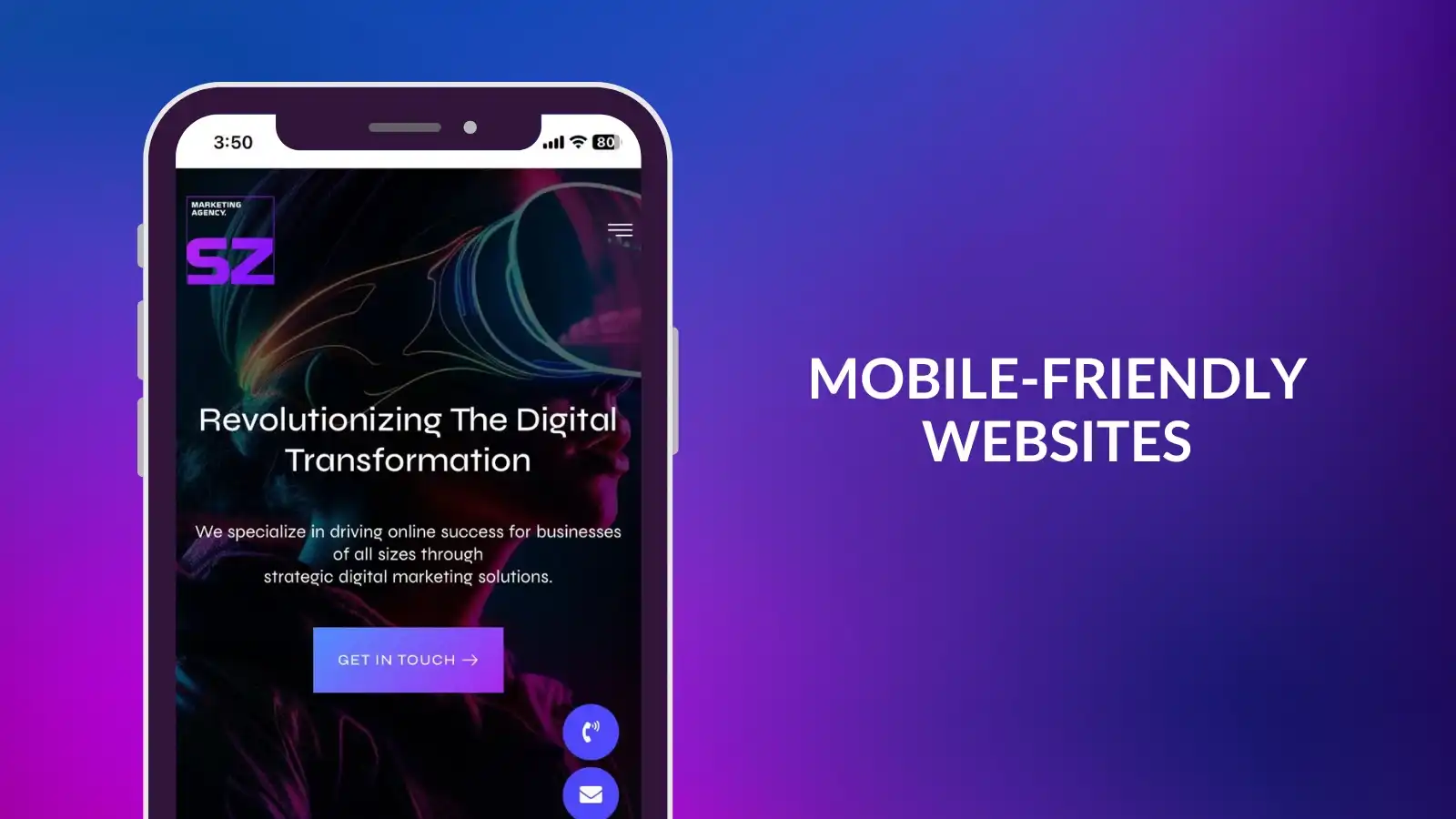
Why Mobile-Friendly Websites Are Crucial for SEO and User Experience

With the majority of users accessing websites via mobile devices, businesses must ensure their sites are optimized for mobile responsiveness. A well-designed mobile website not only enhances user experience but also plays a significant role in search engine rankings. Whether you are a business owner or a website development company in Dubai, understanding the importance of mobile optimization can give you a competitive edge.

The Rise of Mobile Usage in Web Browsing

Over the past decade, mobile browsing has surpassed desktop usage, with more than 60% of global web traffic coming from mobile devices. This shift in user behavior has forced businesses and website owners to prioritize mobile-friendly designs. Companies that fail to optimize their websites for mobile users risk losing a significant portion of potential customers due to poor user experience and lower search engine rankings.

How Mobile-Friendliness Impacts SEO

  1. Google’s Mobile-First Indexing

Google now uses mobile-first indexing, which means it primarily crawls and indexes the mobile version of a website instead of the desktop version. If your website isn’t mobile-friendly, Google may rank it lower in search results, making it harder for users to find your business online. A professional website design company in Dubai can ensure your site meets Google’s mobile-friendly standards, improving its visibility on search engines.

  1. Page Load Speed and SEO Rankings

Page speed is a crucial ranking factor, and mobile users expect fast-loading websites. Studies show that if a mobile site takes more than 3 seconds to load, users are likely to abandon it. Google considers page speed as a ranking factor, meaning slow-loading websites are penalized in search rankings. Optimizing images, leveraging browser caching, and using responsive web design can help improve load times.

  1. Improved User Engagement and Lower Bounce Rates

A mobile-friendly website provides a seamless user experience, encouraging visitors to stay longer and engage with the content. Websites that are difficult to navigate on mobile devices often experience high bounce rates, which negatively affect SEO rankings. An expert seo agency Dubai can analyze user behavior and optimize your site to ensure better engagement.

  1. Better Local SEO Performance

For businesses targeting local customers, having a mobile-friendly website is crucial. Mobile users frequently search for local businesses while on the go. A well-optimized mobile site improves your chances of appearing in local search results, increasing foot traffic and conversions.

Enhancing User Experience Through Mobile Optimization

  1. Responsive Design for Seamless Navigation

A responsive website adapts to different screen sizes, ensuring a consistent experience across devices. Users should be able to navigate the site easily, access menus without zooming in, and find information quickly. A website development company in Dubai can implement a responsive design that enhances usability and accessibility.

  1. Touch-Friendly Interface

Since mobile users interact with websites using their fingers rather than a mouse, buttons and links should be easily clickable. A poorly designed mobile site with small buttons or cluttered layouts can frustrate users, leading to high abandonment rates.

  1. Optimized Content for Mobile Screens

Mobile users prefer concise, easy-to-read content. Long paragraphs can be overwhelming on small screens, so it’s essential to break content into short sections, use bullet points, and highlight key information.

  1. Mobile-Friendly Forms and CTAs

If your website includes forms or call-to-action (CTA) buttons, they should be optimized for mobile users. Forms should have fewer fields, and CTA buttons should be large enough to tap easily.

The Role of a Website Development Company in Dubai in Mobile Optimization

For businesses looking to create a mobile-friendly website, partnering with a website development company in Dubai is a strategic move. These professionals understand the latest web design trends, SEO requirements, and user behavior, ensuring your website performs well across all devices.

Services Offered by a Website Design Company:

Responsive Web Design: Ensures your site adapts to different screen sizes.

Page Speed Optimization: Enhances loading speed for better SEO and user experience.

Mobile UX/UI Design: Creates an intuitive, user-friendly interface.

SEO Optimization: Implements mobile SEO strategies to improve rankings.

Performance Monitoring: Regularly analyzes and optimizes website performance.

Conclusion

With Google’s mobile-first indexing and increasing mobile usage, businesses must prioritize mobile optimization to stay ahead of the competition. Whether you’re a business owner or an SEO agency Dubai, investing in a responsive and mobile-optimized website can significantly enhance your digital presence.

If you’re looking for expert web development services, consult a professional digital marketing agency in Dubai to create a high-performing, mobile-friendly website that drives traffic and conversions.

The Evolution of eCommerce Payments: Navigating the Digital Payment Landscape

In the fast-paced world of eCommerce, seamless payment systems are critical to customer satisfaction and business growth. From the days of cash-on-delivery to today’s sophisticated digital wallets, eCommerce payments have evolved significantly, redefining how consumers and businesses interact.

The Rise of eCommerce Payments

As eCommerce platforms gained popularity in the early 2000s, payment methods adapted to meet the changing needs of online shoppers. Initially, payments relied heavily on credit and debit cards. However, the need for secure, fast, and convenient transactions spurred the innovation of digital payment systems.

Today, consumers have a plethora of payment options, including digital wallets, Buy Now Pay Later (BNPL) services, cryptocurrency, and even voice-activated payments. Each innovation is designed to enhance convenience, security, and inclusivity, ensuring every consumer has a way to participate in the digital economy.

Key Features of Modern eCommerce Payment Systems

  1. Security: With the rise in cyber threats, security is paramount. Features like encryption, tokenization, and two-factor authentication ensure that customer data remains protected.
  2. Convenience: From one-click payments to auto-fill options, convenience is a major selling point. The fewer steps a customer needs to complete a purchase, the higher the likelihood of conversion.
  3. Speed: Payment systems now offer instantaneous transactions, ensuring minimal waiting time for both customers and businesses.
  4. Global Reach: Payment platforms integrate multi-currency support, making it easier for businesses to cater to international markets.

Popular Payment Methods in eCommerce

  1. Credit and Debit Cards: Still the most widely used payment method globally, thanks to their familiarity and acceptance.
  2. Digital Wallets: PayPal, Apple Pay, Google Pay, and others provide quick, secure, and seamless transactions.
  3. Bank Transfers: Although traditional, they remain a secure option, especially for high-value transactions.
  4. Cryptocurrency: While still niche, cryptocurrencies like Bitcoin and Ethereum are gaining traction for their decentralization and lower transaction fees.
  5. Buy Now Pay Later (BNPL): Platforms like Klarna and Afterpay allow customers to make purchases and pay in installments, boosting affordability and conversion rates.

Challenges in eCommerce Payments

Despite advancements, businesses face several challenges:

  • Fraud and Chargebacks: Fraudulent activities and chargebacks can lead to significant financial losses.
  • Integration Issues: Ensuring payment gateways integrate seamlessly with eCommerce platforms can be complex.
  • Customer Trust: Gaining consumer trust in new and unfamiliar payment methods requires clear communication and robust security measures.
  • High Transaction Fees: Some payment gateways charge high fees, impacting profit margins.

Best Practices for eCommerce Businesses

To optimize payment systems, eCommerce businesses should:

  1. Offer Multiple Payment Options: Cater to diverse customer preferences by integrating a variety of payment methods.
  2. Prioritize Security: Invest in advanced security protocols to protect customer data and build trust.
  3. Optimize Mobile Payments: With the rise of mobile commerce, ensure payment systems are mobile-friendly.
  4. Monitor and Analyze: Use analytics to track payment trends and optimize the customer experience.
The Future of eCommerce Payments

As technology continues to evolve, the future of eCommerce payments looks promising. Artificial Intelligence (AI) and Machine Learning (ML) are set to revolutionize fraud detection and customer personalization. Additionally, blockchain technology may pave the way for decentralized, ultra-secure payment systems.

Voice-activated payments and biometric authentication are also on the horizon, promising to make transactions even more seamless. Businesses that stay ahead of these trends will not only enhance customer experiences but also solidify their competitive edge.

eCommerce payments are the lifeblood of online businesses. As consumer expectations evolve, so too must payment systems. By prioritizing security, convenience, and innovation, eCommerce platforms can ensure a smooth and satisfying shopping experience, driving loyalty and growth in an increasingly competitive market.