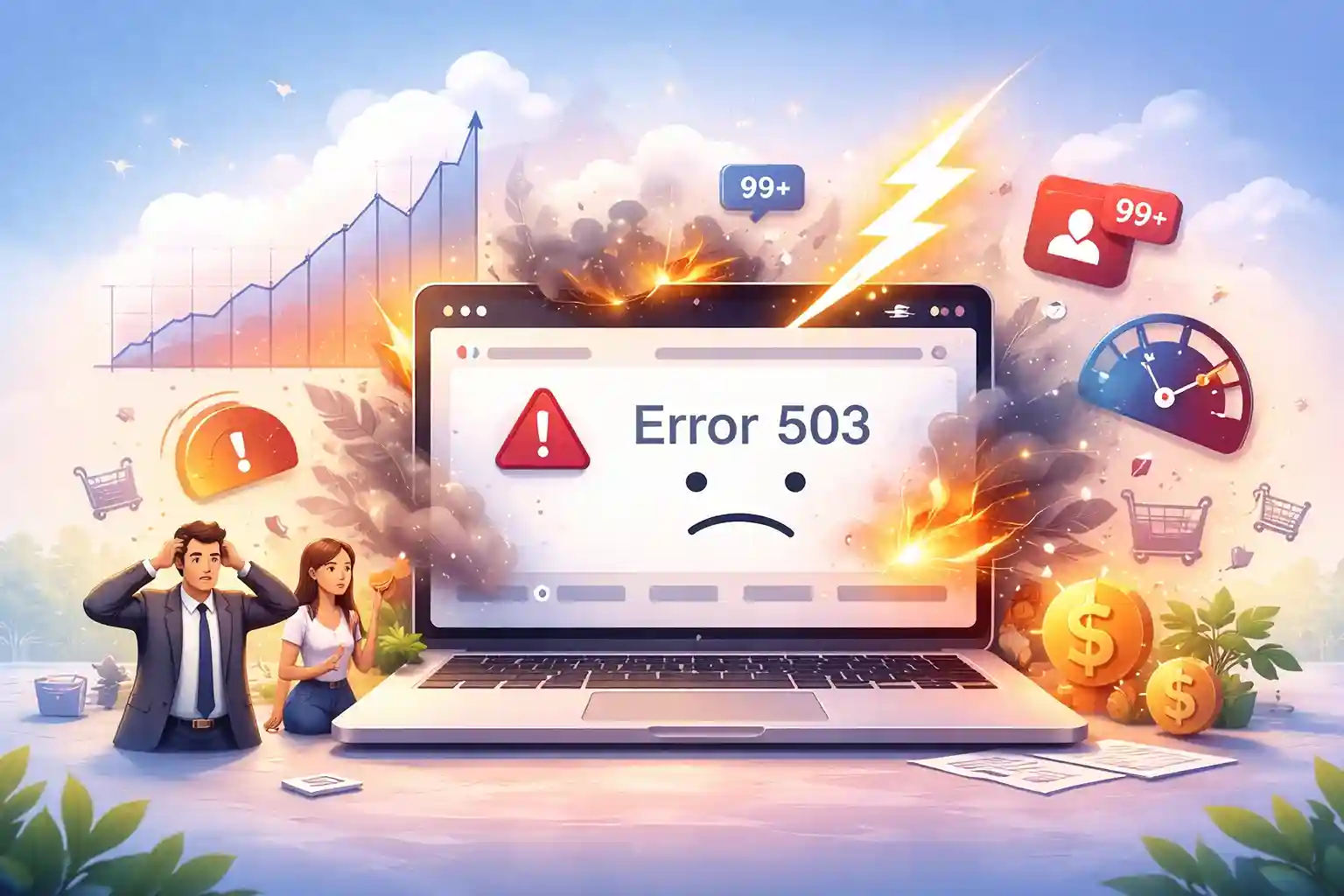
Your website is not a “build once and forget” asset. It’s a living system—one that needs continuous monitoring, updates, and optimization to stay secure, fast, and revenue-ready. Yet many businesses only realize the importance of maintenance after something breaks: downtime, hacked pages, lost rankings, or sudden performance drops.
If you’re evaluating a website maintenance service provider, this guide will help you choose the right partner, not just a vendor. The goal isn’t basic upkeep—it’s long-term digital stability and growth.
1. Proactive Maintenance, Not Just Emergency Fixes
The biggest mistake businesses make is hiring a provider who only reacts when something goes wrong.
A reliable website maintenance partner should:
Discover Our Expertise
Explore our company profile to learn more about our Digital Transformation Services, and how we can help your business thrive in the digital world.
- Monitor uptime and performance continuously
- Identify risks before they affect users
- Schedule updates instead of applying rushed fixes
Maintenance should reduce emergencies—not depend on them. This proactive approach is what separates serious providers from ad-hoc freelancers.
When maintenance is aligned with development best practices from a website development company in Dubai, your site remains scalable, secure, and future-proof.
2. Strong Security & Update Management
Security is no longer optional. Even small business websites are frequent targets for malware injections, phishing scripts, and data breaches.
Your provider should manage:
- CMS, plugin, and framework updates
- Security patches and vulnerability scans
- Firewall rules and brute-force protection
- Regular malware and integrity checks
Most attacks happen through outdated components. A maintenance provider that prioritizes preventive security protects not just your website—but your brand reputation.
3. Performance Monitoring & Speed Optimization
Website speed directly impacts:
- Search engine rankings
- User experience
- Conversion rates
A strong maintenance service goes beyond uptime checks and actively monitors:
- Core Web Vitals
- Server response times
- Page load performance across devices
They should also optimize databases, caching layers, and asset delivery as traffic grows. This is where maintenance overlaps with smart development practices—especially for growing businesses.
4. Backup Strategy & Disaster Recovery Planning
Ask this question upfront:
“If our website crashes today, how fast can you restore it?”
A dependable provider should offer:
- Automated daily (or real-time) backups
- Off-site backup storage
- Clear restoration timelines
- Tested disaster recovery workflows
Backups that aren’t tested are unreliable. A professional maintenance team validates recovery processes regularly to ensure business continuity.
5. Compatibility with Ongoing Website Development
Your website won’t remain static. You’ll add new pages, features, integrations, and campaigns over time.
That’s why your maintenance provider must work closely with—or be part of—a broader website development company in Dubai that understands:
- Code dependencies
- Platform limitations
- Staging and deployment workflows
Maintenance and development should complement each other, not clash. Poor coordination often leads to broken features, slow rollouts, or ranking losses.
This is where Squarezix’s website management services add value—by combining technical maintenance with development-ready support under one strategy.
6. SEO & Technical Health Awareness
Maintenance impacts SEO more than most businesses realize.
Your provider should monitor:
- Broken links and crawl errors
- Indexing issues
- Page speed and mobile usability
- Redirect chains and URL health
A good maintenance partner understands that even small technical issues can affect search visibility. Fixing these early helps protect rankings and ensures your content remains discoverable.
This is especially important if your website supports ongoing SEO or paid campaigns.
7. Clear Reporting & Transparency
If you’re paying for maintenance, you should see what’s being done.
Look for providers who offer:
- Monthly or quarterly maintenance reports
- Clear summaries of updates, fixes, and improvements
- Performance and uptime insights
- Actionable recommendations
Transparent reporting builds trust and helps you align maintenance with business goals—not just technical checklists.
8. Scalable Support as Your Business Grows
Your website needs today won’t be the same six months from now.
Choose a provider that can scale with you by offering:
- Flexible maintenance plans
- Support for increased traffic and integrations
- Advanced monitoring as complexity grows
Businesses that outgrow their maintenance provider often face downtime during critical growth phases. A scalable partner avoids that risk.
9. One Partner for Maintenance, Performance & Growth
The best website maintenance service providers don’t operate in isolation. They understand how maintenance supports:
- Conversions
- SEO performance
- Campaign reliability
- Brand credibility
That’s why many growing businesses prefer integrated website maintenance services backed by a development and digital strategy team—rather than juggling multiple vendors.
Final Thoughts
Website maintenance isn’t about ticking boxes—it’s about protecting your digital foundation.
The right provider will:
- Prevent issues before they escalate
- Keep your site secure, fast, and scalable
- Support future development and growth
- Act as a long-term technical partner
If your website plays a role in lead generation, branding, or revenue, maintenance isn’t optional—it’s essential.
With the right strategy and partner, your website doesn’t just stay online—it stays competitive.