Customer expectations are evolving faster than most support systems can keep up. While traditional chatbots improved text-based automation, they still fall short when it comes to natural, human-like interaction, especially in high-pressure customer service situations.
This is where voice-enabled AI chatbots are creating a major shift. By combining speech recognition, natural language understanding, and real-time responses, they are solving critical customer service problems that businesses have struggled with for years, highlighting why modern website management and chatbot optimization are now essential for delivering seamless user experiences.
The Core Problem: Customers Want Speed and Human-Like Interaction
Most customer service systems today face three major issues:
- Long waiting times in call centers
- Frustrating IVR menus (“Press 1, Press 2…”)
- Poor experience in chat-based bots for complex issues
Customers don’t just want answers—they want instant, conversational support. Traditional systems either lack speed or lack natural interaction, forcing businesses to compromise.
Discover Our Expertise
Explore our company profile to learn more about our Digital Transformation Services, and how we can help your business thrive in the digital world.
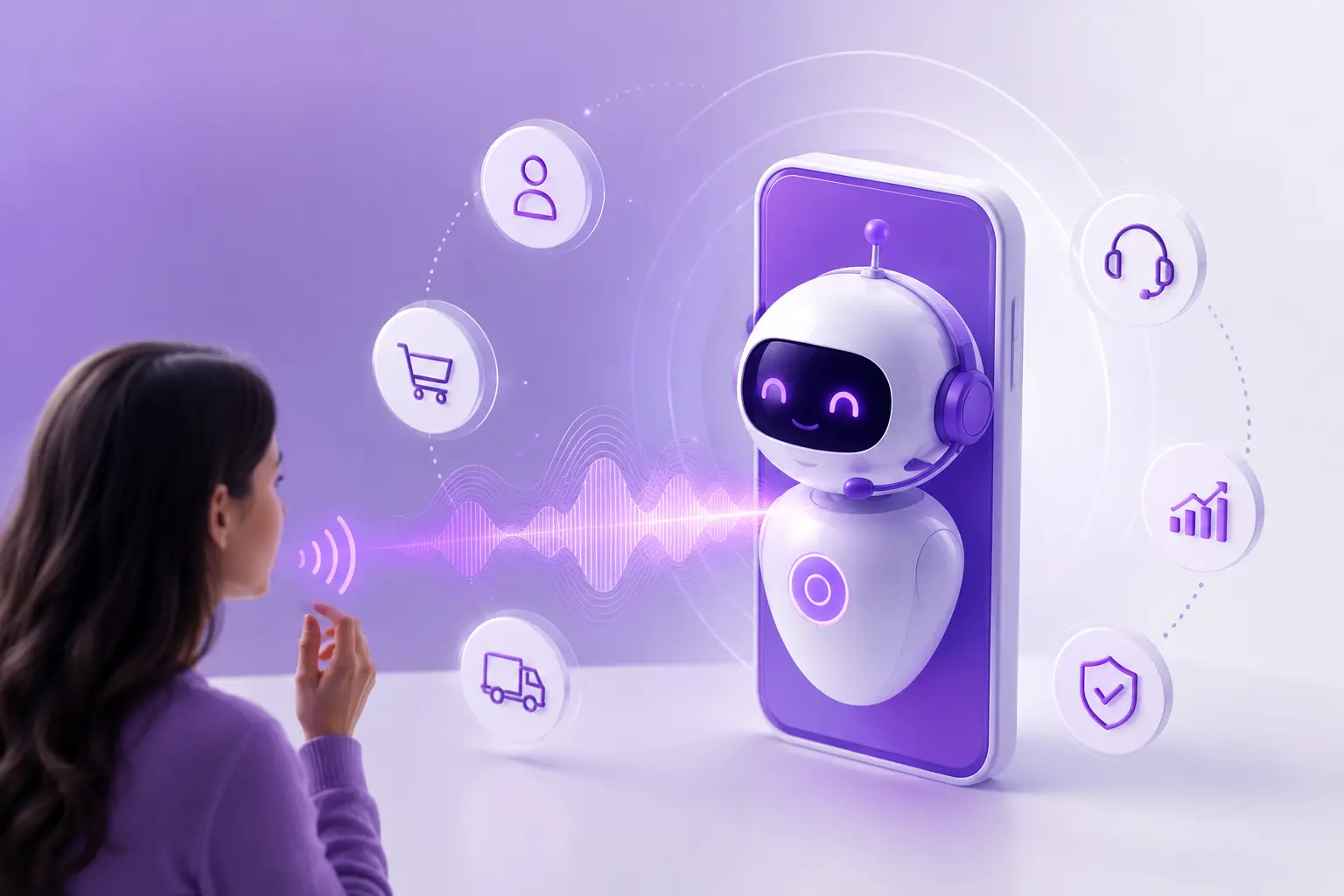
Voice AI chatbots remove this compromise by enabling real-time spoken conversations that feel closer to human support while remaining fully automated.
To bridge this gap, businesses are increasingly turning to specialized AI partners. One such example is SquareZix, which helps organizations build intelligent voice and chat automation systems tailored for scalable customer interaction.
How Voice AI Chatbots Solve Real Customer Service Challenges
1. Eliminating Long Waiting Times
Voice AI systems can handle thousands of calls simultaneously, removing queue delays completely. Unlike human-only call centers, they respond instantly, even during peak traffic periods.
2. Making Support More Natural and Intuitive
Speaking is faster and more natural than typing. Voice-enabled chatbots allow customers to explain issues in their own words instead of navigating rigid menus or forms.
3. Reducing Operational Costs Without Reducing Quality
Businesses can automate repetitive queries like order tracking, appointment scheduling, and FAQs, significantly reducing the load on human agents while maintaining service consistency.
4. Improving Accessibility for All Users
Voice-based systems are especially useful for users with disabilities, busy users, or those in hands-free situations like driving or multitasking.
5. Providing 24/7 Customer Support
Unlike traditional support teams, voice AI doesn’t sleep. It ensures continuous availability without increasing staffing costs.
Key Challenges Businesses Must Still Solve
Despite its advantages, voice AI is not perfect. Businesses adopting it must carefully address:
- Accent and language variations that can impact understanding
- Background noise issues in real-world environments
- Lack of emotional intelligence in complex or sensitive situations
- Privacy concerns related to voice data collection
The most effective systems combine AI automation + human escalation, ensuring customers always get help when needed.
Why Voice AI Chatbots Matter for Businesses Today
For modern enterprises, especially in customer-heavy industries, voice AI is no longer optional—it’s becoming a competitive necessity.
Businesses adopting it early benefit from:
- Faster resolution times
- Higher customer satisfaction
- Reduced support costs
- Scalable customer engagement
- Smarter customer insights from voice data
Studies show that voice-based systems are increasingly preferred for complex customer queries, where speed and clarity matter most.
How SquareZix Helps Businesses Adopt Voice AI
At SquareZix, we help businesses move beyond traditional chatbots by integrating voice-enabled AI solutions into their customer experience systems.
Our focus is on building:
- Intelligent voice assistants for customer support
- AI-driven call automation systems
- Multilingual voice interaction workflows
- Seamless human + AI hybrid support models
The goal is simple: make customer communication faster, smarter, and more human-like.
Frequently Asked Questions (FAQs)
1. What is a voice-enabled AI chatbot?
It is an AI system that allows users to interact through speech instead of typing, using natural language processing and voice recognition technologies.
2. How is it different from a traditional chatbot?
Traditional chatbots rely on text, while voice AI chatbots use spoken conversations, making interactions more natural and faster.
3. Can voice AI fully replace human customer support?
No. It handles repetitive and simple tasks, but complex or emotional issues still require human agents.
4. What industries benefit most from voice AI chatbots?
E-commerce websites, banking, healthcare, travel, logistics, and telecom industries benefit the most due to high customer interaction volumes.
5. Are voice chatbots secure?
Yes, but businesses must implement strong encryption, privacy policies, and compliance standards to protect user data.
6. Do voice AI chatbots support multiple languages?
Modern systems are increasingly multilingual, but performance varies depending on training data and implementation quality.
7. What is the biggest challenge in voice AI adoption?
The main challenge is ensuring accurate understanding across accents, environments, and emotional contexts while maintaining smooth conversation flow.